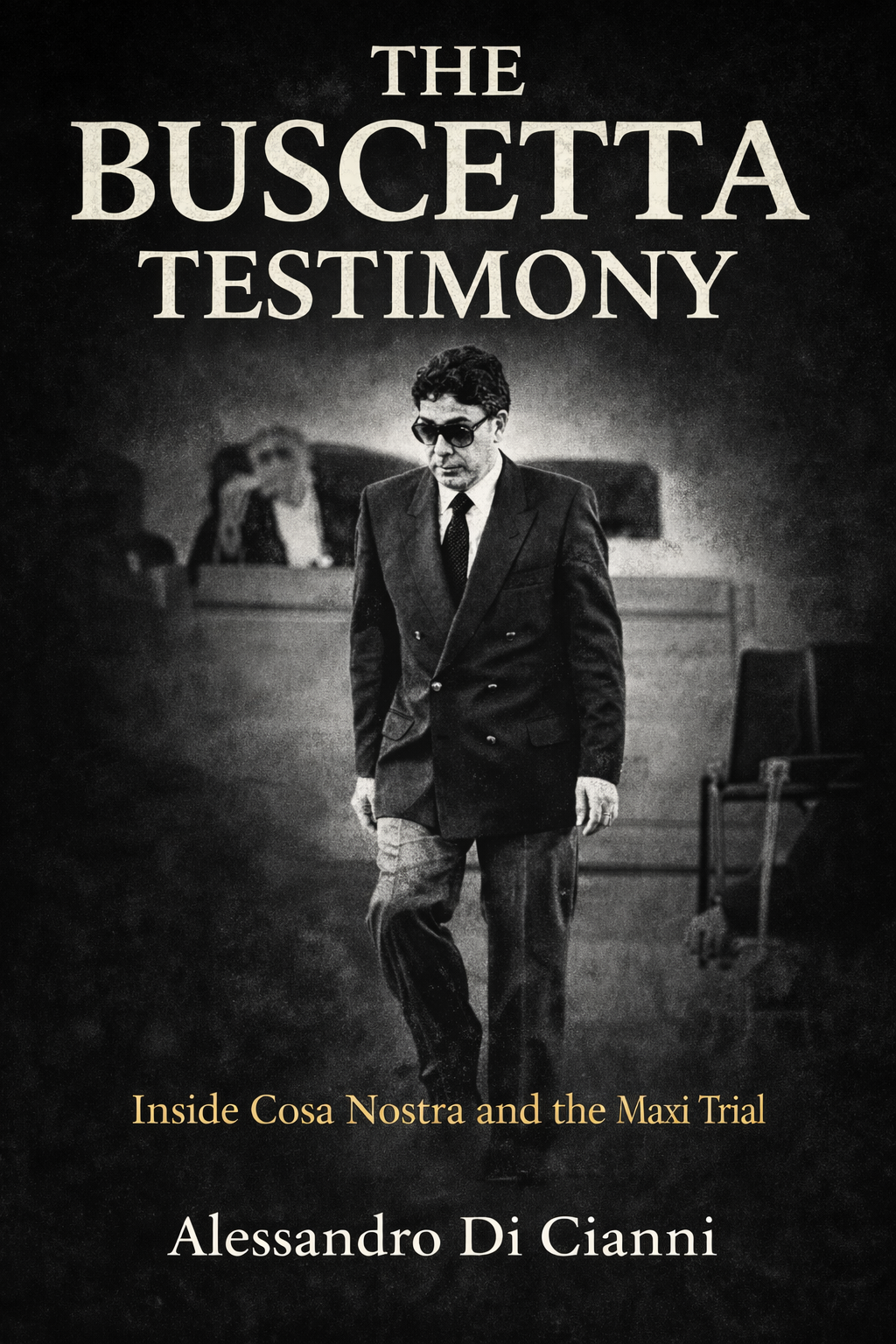
Il boss dei due mondi e la vecchia mafia
Tommaso Buscetta nacque a Palermo il 13 luglio 1928, ultimo di ben diciassette figli di una famiglia di vetrai. Crebbe in una Palermo in cui Cosa Nostra era già profondamente radicata nel tessuto sociale, ma ancora del tutto invisibile e indecifrabile per le istituzioni dello Stato. Entrato giovanissimo nelle file dell’organizzazione criminale, Buscetta si distinse subito per il suo carisma e la sua intelligenza strategica, scalando rapidamente le gerarchie.
Buscetta non era un capo militare stanziale: divenne l’anello di congiunzione tra le diverse anime della mafia, muovendosi con estrema disinvoltura tra la Sicilia, il Sudamerica e gli Stati Uniti. Negli anni ’60 e ’70 visse dall’interno le più profonde trasformazioni di Cosa Nostra, rimanendo strettamente legato alla fazione tradizionale palermitana e, in particolare, al boss Stefano Bontate. Fu il testimone diretto del passaggio della mafia dai mercati agricoli locali ai grandi flussi finanziari internazionali legati al contrabbando e al narcotraffico.
Lo sterminio della famiglia e la vendetta dei Corleonesi
L’ascesa dei Corleonesi guidati da Totò Riina ruppe brutalmente gli equilibri interni, scatenando la Seconda Guerra di Mafia. Riina avviò uno sterminio sistematico della vecchia guardia palermitana e Buscetta, considerato un alleato storico di Bontate e un ostacolo insidioso, divenne uno dei bersagli principali.
Per colpirlo, i Corleonesi applicarono una spietata strategia di terra bruciata, uccidendo barbaramente molti dei suoi parenti più stretti in una vera e propria vendetta trasversale. In pochi mesi, Buscetta perse due figli (Benedetto e Antonio, inghiottiti dalla lupara bianca e mai più ritrovati), un fratello, un genero, un cognato e quattro nipoti. Braccato, arrestato più volte e costretto a fuggire da un paese all’altro, vide crollare pezzo dopo pezzo il mondo a cui era appartenuto.
Il patto con Giovanni Falcone: “Non sono un pentito”
Nell’ottobre del 1983, Buscetta venne arrestato nuovamente in Brasile e, dopo un drammatico tentativo di suicidio tramite ingestione di stricnina, fu estradato in Italia nell’estate del 1984. Al suo arrivo a Roma ad aspettarlo c’era Giovanni Falcone, il magistrato che avrebbe cambiato il corso della sua vita. Falcone non lo trattò come un semplice criminale da interrogare, ma riuscì a stabilire con lui un rapporto unico, basato sul rispetto reciproco e su una profonda comprensione del fenomeno mafioso.
Fu in quel momento che Buscetta decise di parlare, pronunciando davanti al giudice la famosa frase: «Non sono un pentito, sono stato e rimango un uomo d’onore. Ma voi avete di fronte Cosa Nostra, mentre io ho di fronte una banda di assassini che ha distrutto l’organizzazione». Per la prima volta nella storia d’Italia, un membro dei vertici mafiosi descrisse dall’interno l’esatta struttura della mafia: i mandamenti, le famiglie, le regole di affiliazione e l’esistenza della Commissione, l’organo di governo unificato presieduto da Riina.
Il Maxiprocesso e gli anni sotto protezione
Le rivelazioni di Buscetta squarciarono definitivamente il velo di omertà e fornirono la spina dorsale dell’accusa al Maxiprocesso di Palermo, dove le sue parole inchiodarono centinaia di boss alle loro responsabilità. Nel 1992, scosso dalle stragi di Capaci e via D’Amelio, Buscetta decise di compiere un ulteriore passo in avanti, parlando per la prima volta dei legami di altissimo livello tra Cosa Nostra e il mondo della politica italiana, deponendo nei processi contro Giulio Andreotti.
Buscetta passò il resto della sua vita sotto strettissima protezione negli Stati Uniti, avendo ottenuto una nuova identità grazie al programma federale americano (Witness Protection Program). Nonostante la distanza, visse i suoi ultimi anni nell’ossessione costante di un agguato da parte dei killer della mafia. Si è spento a New York il 2 aprile 2000, portando con sé molti dei segreti che aveva scelto di non rivelare.
Una complessa eredità storica
La figura di Tommaso Buscetta rimane straordinariamente complessa e controversa. Non è mai stato un eroe della legalità, ma un uomo d’onore che ha vissuto gran parte della sua esistenza dentro le logiche criminali della mafia. Eppure, la sua scelta di collaborare ha rappresentato lo spartiacque definitivo nella storia della lotta alla criminalità organizzata. Senza le sue mappe mentali e le sue parole, la magistratura italiana non avrebbe mai avuto gli strumenti per decodificare il linguaggio e la struttura di Cosa Nostra, cambiando per sempre il corso della giustizia.